Outlet & Switch Installation — the short answer
Outlet and switch installation covers adding, replacing, or upgrading the points where you plug in and control power every day, including GFCI and AFCI protection where water or bedroom circuits call for it. VoltReach USA connects homeowners with independent local electricians. Below: the signs that point to this job, how the work itself runs, and what shapes its scale.
Outlets and switches are the parts of the electrical system you touch every day, and they quietly shape how convenient and safe a room feels. Too few outlets leads to extension cords and power strips doing permanent duty, which they were never meant to do. Worn outlets that no longer grip a plug, switches that crackle or work only sometimes, and covers that are cracked or warm are all signs that these small devices have reached the end of their service. Replacing or adding outlets and switches is also how homes adapt: a room becomes an office, a kitchen gains new appliances, a workshop needs power where there is none, or a homeowner wants dimmers, timers, or modern charging outlets where plain ones used to be.
Protection is a major part of the modern outlet conversation. A GFCI, or ground fault circuit interrupter, watches for current leaking away from its intended path, such as through water or a person, and shuts power off very quickly to reduce shock risk. That is why GFCI protection is associated with kitchens, bathrooms, garages, basements, laundry areas, and outdoor locations. An AFCI, or arc fault circuit interrupter, watches for dangerous arcing in wiring and connected cords, a pattern linked to fire risk, and it is associated with living areas and bedrooms. These protections can live in an outlet, in a breaker, or in a combination device, and an electrician can explain which arrangement suits the circuit and location you are asking about.
Switches deserve the same attention, because they control more than lights. The right switch in the right place changes how a home works: three-way switches at both ends of a hallway or staircase, dimmers that suit modern bulbs, fan controls, timers for outdoor lighting, or a switch moved to where the room actually needs it after furniture or layout changes. Loose, noisy, hot, or intermittent switches are not quirks to live with, since a failing switch is a small device handling real current every time it is used. Replacing worn devices promptly, and planning additions thoughtfully, keeps daily routines simple and avoids the tangle of cords and workarounds that slowly becomes a hazard in its own right over the years.
VoltReach USA is a referral service, not an electrical company, and it does not install devices itself. When you describe what you want changed, added, or fixed, the service connects you with an independent local electrician who can see your walls, circuits, and existing devices in person. That visit matters because outlet work depends on what is behind the cover: the wiring, the box, the circuit's load, and whether protection belongs at the device or at the panel. The electrician can test existing outlets, explain GFCI and AFCI choices in plain language, and carry out agreed installation work so the finished devices match both your rooms and the circuits that serve them every day.
Signs you may need outlet or switch work
- Outlets no longer grip plugs firmly, so cords slip out, hang loosely, or lose connection when they are bumped or moved slightly.
- You see discoloration, cracks, scorch marks, or damage on an outlet or switch cover, or a device feels warm when it is used.
- A switch crackles, buzzes, works only sometimes, or must be held or wiggled, or lights flicker when the switch is operated.
- Your rooms rely on extension cords and multi-plug strips for everyday use because there are not enough outlets where you need them.
- Outlets near sinks, in bathrooms, garages, basements, or outdoors lack GFCI protection or have test buttons that do not respond as they should.
- Two-prong outlets remain in rooms where modern three-prong equipment is used, or adapters are doing permanent duty on several devices.
- You are changing how a room is used, adding a home office, workshop, or new appliances, and power access no longer matches the layout.
- You want dimmers, timers, fan controls, or combination charging outlets installed where plain switches and outlets are currently fitted.
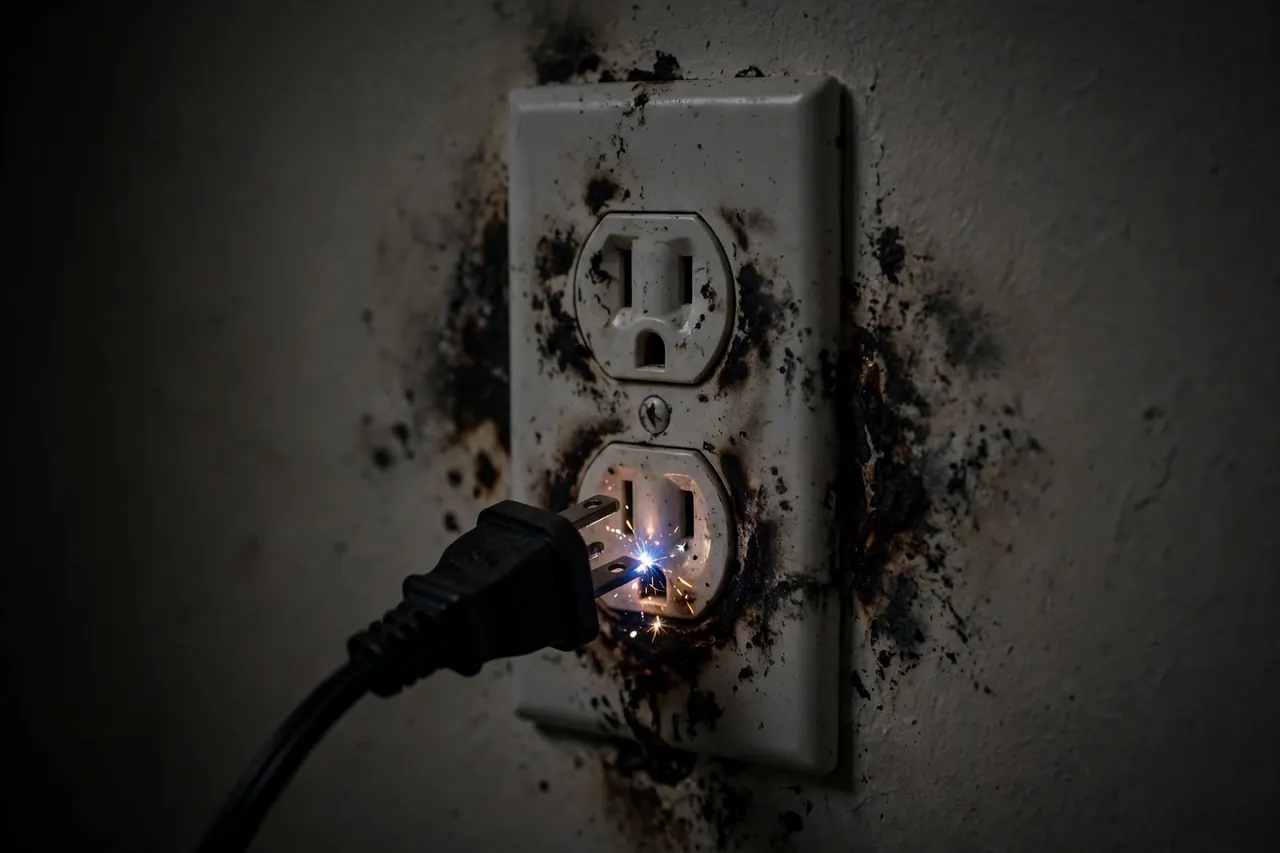 PROBLEM
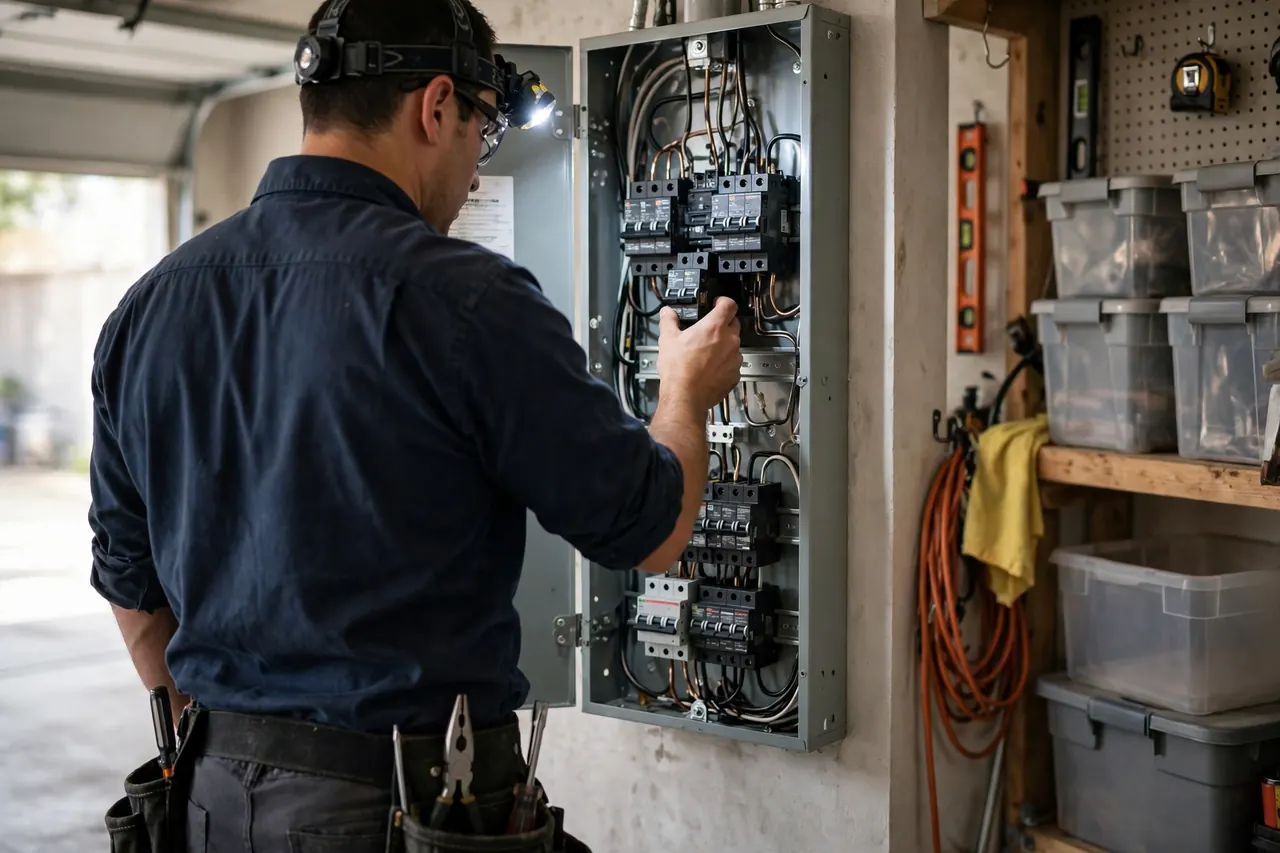 SOLUTION
How outlet and switch installation works
- Walk through your home and note which outlets or switches are worn, missing, poorly placed, or lacking protection near water or outdoors.
- List what you want each room to do, such as office work, cooking, or workshop use, because intended use guides where devices belong.
- Share that list with VoltReach USA, including any symptoms like looseness, warmth, crackling, or flickering that you have noticed at specific devices.
- The service connects you with an independent local electrician, who visits to inspect the existing devices, boxes, wiring, and circuits involved.
- The electrician tests outlets where needed, explains GFCI and AFCI options for the locations in question, and agrees the device plan with you.
- Agreed outlets and switches are installed or replaced, with power to the circuit managed safely during the work and devices secured and covered properly.
- Before finishing, the electrician tests the new devices, demonstrates any test and reset functions, and confirms each location works as expected.
Standard outlets vs GFCI and AFCI protection
Standard outlets
- Provides power without fault monitoring
- Common in dry, low-risk locations
- No test or reset function to check
- Does not react to leaks or arcing
- May remain from older installations
GFCI and AFCI protection
- GFCI reacts to current leaks near water
- AFCI reacts to dangerous arcing in wiring
- Test functions confirm protection works
- Suited to kitchens, baths, and bedrooms
- Available as outlets, breakers, or both
What shapes the job
- The number and type of devices involved shape the visit, from simple like-for-like replacements to additions that need new wiring runs and boxes.
- Location drives protection choices, because wet and outdoor areas call for GFCI thinking while sleeping and living areas raise AFCI considerations.
- The condition of existing wiring and boxes matters, since older or damaged wiring, small boxes, or missing grounding can change what an installation involves.
- How the circuit is loaded affects additions, because a circuit already serving heavy demands may need a different plan than one with capacity to spare.
- Wall construction and access influence the work, as running new cable through finished walls, basements, or attics varies in effort from room to room.
- Special device types add considerations, including dimmers matched to modern bulbs, fan-rated controls, weather-resistant outdoor outlets, and tamper-resistant devices.
- Whether protection sits at the outlet or at the breaker is a real decision, and the electrician explains which arrangement suits each circuit and location.
Getting protection and placement right, room by room
Outlet placement is a quality-of-life decision with a safety edge. When outlets are missing where life actually happens, people improvise with extension cords, and improvisation hardens into habit. Cords run under rugs, across doorways, or behind furniture create wear, heat, and trip hazards, and multi-plug strips daisy-chained together ask far more of a single outlet than it should give. Planning device locations around real furniture and real routines is the durable fix. A home office needs power where the desk sits, not across the room. A kitchen needs enough counter outlets that appliances are not shuffled between two points. A garage or workshop needs outlets at bench height and possibly dedicated circuits for tools. Thinking room by room, with the electrician, turns a list of frustrations into a layout that serves the household quietly for years, without cords advertising every gap between the home's wiring and the way you actually live in it today.
GFCI and AFCI protection answer two different dangers, and keeping them straight helps you have a useful conversation with your electrician. Ground fault protection is about shock. It compares current going out and coming back and reacts when some current is leaking away, as it can through water, a damaged cord, or a person, cutting power in a tiny fraction of a second. That is why it belongs where water and electricity live near each other. Arc fault protection is about fire. It recognizes the signature of dangerous arcing, the sparking that occurs when wiring or a cord is damaged or a connection is failing, and disconnects the circuit. Bedrooms and living spaces are its natural home. Some locations and circuits benefit from both, and dual-function devices and breakers exist for that reason. What matters is matching the protection to the place and the circuit, and an in-person look at your panel and rooms is how that matching gets done well.
Replacement timing is the quieter half of this topic. Outlets and switches are mechanical devices, and they wear. Springs lose grip, contacts pit and oxidize, plastic embrittles, and connections loosen. The symptoms are the ones listed on this page: plugs that fall out, crackling, warmth, flicker, intermittent operation. A plug that will not stay seated is not just annoying, because a poor connection can arc and heat under load. Treating worn devices as scheduled replacements, rather than waiting for complete failure, is a sensible household habit, especially in homes where devices have served for decades. During a visit for additions or upgrades, it is efficient to have the electrician check other heavily used devices on the same circuits. A short list handled in one visit leaves the whole home with devices that grip, switch, and protect the way they should, and gives you a clear picture of anything worth planning next.
Questions about outlet & switch installation
Where should GFCI outlets be installed in a home?
What is the difference between GFCI and AFCI protection?
Why do plugs fall out of my outlets, and does it matter?
Can I add outlets to a room that does not have enough?
When should a switch be replaced rather than ignored?
Find outlet & switch installation in your city
Alabama: Birmingham, Huntsville, Mobile, Montgomery, Tuscaloosa, Daphne–Fairhope, Auburn, Decatur, Florence–Muscle Shoals, Dothan
Alaska: Anchorage
Arizona: Phoenix, Tucson, Prescott, Lake Havasu City, Yuma, Flagstaff
Arkansas: Little Rock, Fayetteville–Springdale–Rogers, Fort Smith
California: Los Angeles, Riverside–San Bernardino, San Francisco, San Diego, Sacramento, San Jose, Fresno, Bakersfield, Oxnard–Ventura, Stockton, Modesto, Santa Rosa, Visalia, Vallejo, Santa Barbara, Salinas, Merced, San Luis Obispo, Santa Cruz, Chico, Yuba City, Redding, El Centro, Hanford
Colorado: Denver, Colorado Springs, Greeley, Fort Collins, Boulder, Pueblo, Grand Junction
Connecticut: Hartford, Bridgeport–Stamford, New Haven, Waterbury, Norwich–New London
Delaware: Dover
District of Columbia: Washington
Florida: Miami, Tampa, Orlando, Jacksonville, North Port–Sarasota, Cape Coral–Fort Myers, Lakeland, Daytona Beach, Palm Bay–Melbourne, Port St. Lucie, Pensacola, Ocala, Naples, Tallahassee, Gainesville, Crestview–Fort Walton Beach, Panama City, Punta Gorda, Sebastian–Vero Beach, Homosassa Springs, The Villages
Georgia: Atlanta, Augusta, Savannah, Columbus, Macon, Gainesville, Athens, Warner Robins, Valdosta, Dalton, Albany
Idaho: Boise, Coeur d'Alene, Idaho Falls
Illinois: Chicago, Peoria, Rockford, Champaign, Springfield, Bloomington
Indiana: Indianapolis, Fort Wayne, South Bend, Evansville, Lafayette, Elkhart, Terre Haute, Bloomington
Iowa: Des Moines, Davenport, Cedar Rapids, Iowa City, Waterloo, Sioux City
Kentucky: Louisville, Lexington, Bowling Green
Louisiana: New Orleans, Baton Rouge, Lafayette, Shreveport, Slidell, Lake Charles, Monroe, Houma, Alexandria
Maryland: Baltimore, Hagerstown, Lexington Park
Massachusetts: Boston, Worcester, Springfield, Barnstable Town, Amherst
Michigan: Detroit, Grand Rapids, Lansing, Flint, Ann Arbor, Kalamazoo, Saginaw, Muskegon, Jackson, Traverse City, Monroe, Niles
Minnesota: Minneapolis–St. Paul, Duluth, Rochester, St. Cloud
Mississippi: Jackson, Gulfport–Biloxi, Hattiesburg
Missouri: St. Louis, Kansas City, Springfield, Columbia, Joplin, Jefferson City
Montana: Billings
New Hampshire: Manchester
New Jersey: Trenton, Atlantic City, Vineland
New Mexico: Albuquerque, Las Cruces, Santa Fe
New York: New York, Buffalo, Rochester, Albany, Poughkeepsie, Syracuse, Utica, Binghamton, Kingston
North Carolina: Charlotte, Raleigh, Greensboro, Winston-Salem, Durham, Wilmington, Asheville, Fayetteville, Hickory, Jacksonville, Burlington, Greenville, Rocky Mount
North Dakota: Fargo
Ohio: Cincinnati, Columbus, Cleveland, Dayton, Akron, Toledo, Youngstown, Canton
Oklahoma: Oklahoma City, Tulsa
Oregon: Portland, Salem, Eugene, Bend, Medford
Pennsylvania: Philadelphia, Pittsburgh, Allentown, Harrisburg, Scranton, Lancaster, York, Reading, Erie, Chambersburg, State College, Lebanon
Rhode Island: Providence
South Carolina: Greenville, Charleston, Columbia, Myrtle Beach, Spartanburg, Hilton Head Island, Florence
South Dakota: Sioux Falls, Rapid City
Tennessee: Nashville, Memphis, Knoxville, Chattanooga, Clarksville, Kingsport, Johnson City, Jackson
Texas: Dallas–Fort Worth, Houston, San Antonio, Austin, McAllen, El Paso, Killeen–Temple, Corpus Christi, Brownsville, Beaumont, Lubbock, Waco, Longview, College Station, Laredo, Amarillo, Tyler, Midland, Abilene, Odessa, Sherman–Denison, Wichita Falls, Texarkana
Utah: Salt Lake City, Provo, Ogden, St. George, Logan
Vermont: Burlington
Virginia: Virginia Beach–Norfolk, Richmond, Roanoke, Lynchburg, Charlottesville, Blacksburg, Winchester
Washington: Seattle, Spokane, Kennewick, Olympia, Bremerton, Yakima, Bellingham
West Virginia: Huntington, Charleston, Morgantown
Wisconsin: Milwaukee, Madison, Green Bay, Appleton, Racine, Eau Claire, Oshkosh, La Crosse, Kenosha, Janesville
Need outlet & switch installation help?
One call routes you to an independent local electrician who handles this work in your area.