Commercial Electrical Services — the short answer
Commercial electrical services cover the wiring, lighting, panels, and power distribution that shops, offices, and restaurants rely on every day, including three-phase supply in many premises. VoltReach USA connects businesses with independent local electricians for assessment and planned work. Below: the signs that point to this job, how the work itself runs, and what shapes its scale.
Commercial premises ask more of an electrical system than a home does, and they ask it in public. A shop, an office, or a restaurant runs lighting for long hours, refrigeration, cooking or office equipment, point-of-sale systems, signage, heating and cooling, and the outlets that staff and customers depend on, often all at once and every day of the week. When something fails, the effect is immediate and visible: a dark section of floor, a tripped circuit taking out equipment mid-service, or a flicker that customers notice before staff do. Commercial electrical services cover the installation, repair, and planned improvement of these systems, from panels and circuits to lighting and dedicated power for equipment, in premises where reliability and safety are part of running the business itself.
The technical picture differs from residential work in ways that shape every job. Many commercial premises are supplied with three-phase power, which delivers electricity in a form suited to larger loads and motor-driven equipment, while a typical home uses single-phase supply. Commercial wiring commonly runs in conduit, distribution is organized through panels serving distinct areas or tenants, and lighting may be controlled in zones or by timers and sensors. Equipment such as commercial refrigeration, kitchen appliances, HVAC units, and workshop machinery often needs dedicated circuits sized and placed for that equipment alone. Working in this environment means understanding load across a whole premises, not just one room, and planning changes so that one area can be worked on while the rest of the business continues to operate safely around it.
Planned work matters as much as repairs in a commercial setting. Fit-outs, refurbishments, new equipment, changes of layout, and lighting upgrades all involve electrical decisions, and local code and inspection requirements apply to commercial premises in ways that an electrician working in this sector handles as part of the job. Businesses also benefit from addressing recurring symptoms early: breakers that trip under the lunch rush, lights that hum or fail in batches, outlets that no longer suit where equipment now stands. Those are signs of a system drifting away from how the premises actually operate. A methodical assessment, looking at panels, circuits, lighting, and equipment together, turns scattered problems into a sequenced plan that can be scheduled around trading hours and the realities of staff and customers on site.
VoltReach USA is a referral service, not an electrical company, and it does not carry out commercial work itself. When a business describes its premises and the problem or project at hand, the service connects it with an independent local electrician whose work includes commercial premises. That electrician visits the site, inspects the panels and circuits involved, and discusses findings and options directly with the business. Conversations can cover immediate repairs, dedicated circuits for new equipment, lighting changes for a refit, or a phased plan for a larger premises. Because every site differs in supply, layout, and use, the value of the visit is a clear, site-specific picture, explained in plain language, on which the business can base its decisions and scheduling.
Signs your premises may need commercial electrical work
- Breakers trip during busy periods, or circuits serving refrigeration, kitchen equipment, or HVAC drop out and interrupt trading or service.
- Lighting flickers, hums, fails in groups, or leaves parts of the premises dim, uneven, or noticeably different from the rest of the site.
- Outlets and circuits no longer match the layout, so equipment runs on extension leads or multi-way adapters as a permanent arrangement.
- New equipment is planned or has arrived, such as refrigeration, cooking appliances, machinery, or chargers, and it needs dedicated power in the right place.
- A fit-out, refurbishment, or change of use is planned, and the existing wiring, panels, and lighting were arranged for a previous layout or tenant.
- Panels show signs of age or strain, including warmth, sounds, damaged breakers, unclear labelling, or no spare capacity for circuits the business now needs.
- Staff report shocks, tingling from equipment casings, burning smells, or outlets and switches that are damaged, loose, or warm in work areas.
- Outdoor, signage, car park, or security lighting has failed in sections, leaving parts of the premises poorly lit for staff and customers after dark.
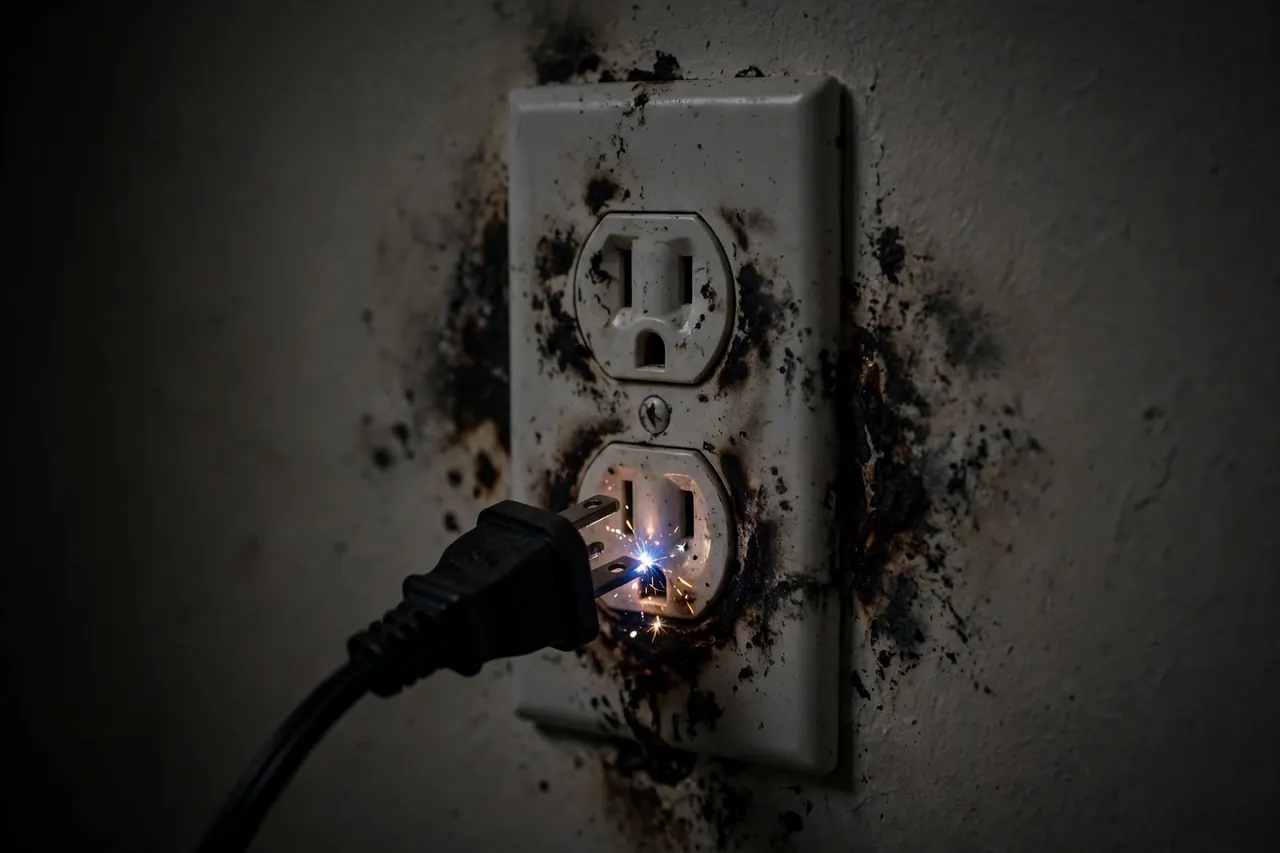 PROBLEM
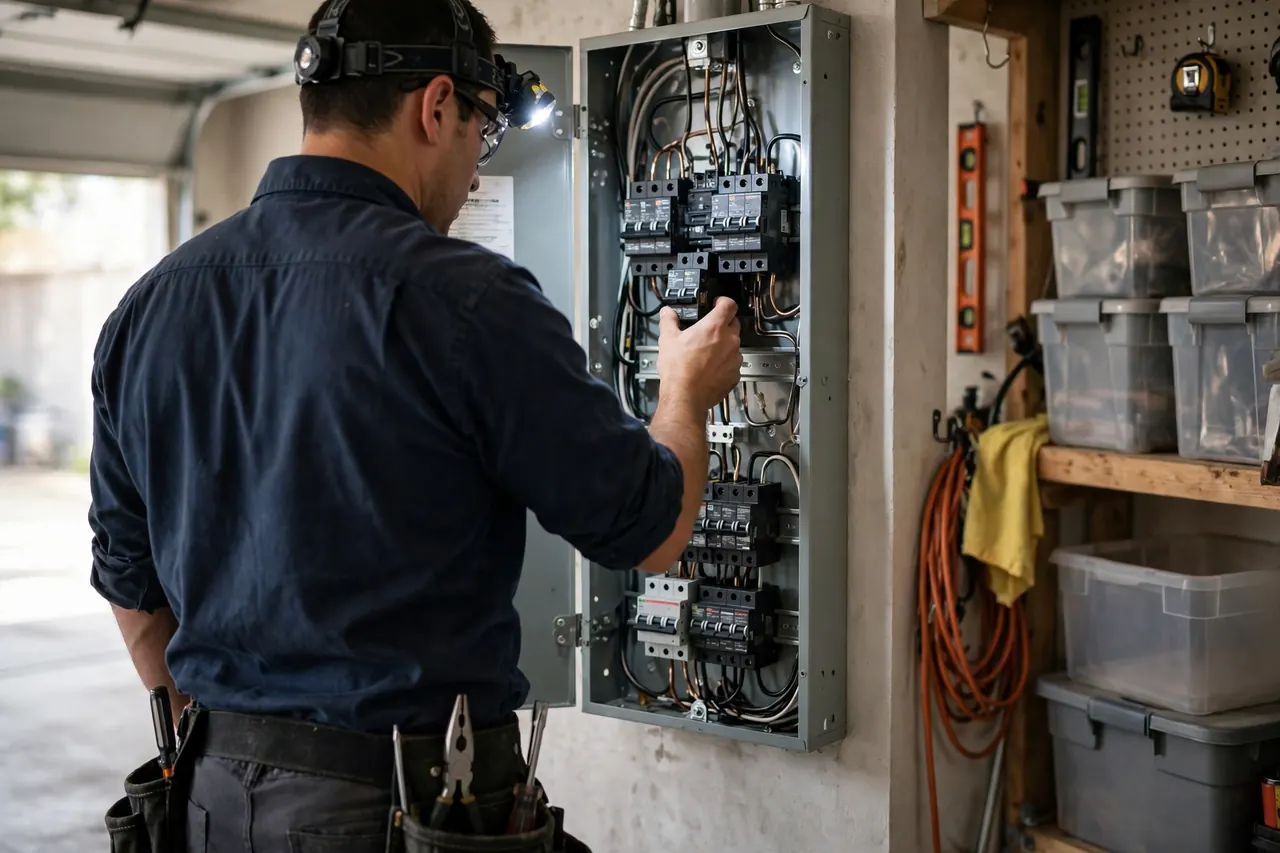 SOLUTION
How commercial electrical work proceeds
- Start by describing the premises and the problem or project: the type of business, the areas affected, and whether trading is being interrupted today.
- Note recurring patterns, such as trips at peak times or lighting failures in one zone, and list equipment involved so the site visit starts informed.
- Share those details with VoltReach USA, including access constraints, trading hours, and any areas that must keep running while work is assessed.
- The service connects you with an independent local electrician, who arranges a site visit to inspect panels, circuits, lighting, and equipment connections.
- During the visit, the electrician assesses load, supply type, and the condition of the installation, and discusses findings and options with you on site.
- Agreed work is planned around the business where possible, with the scope, sequencing, and any local code and inspection requirements explained beforehand.
- Completed work is tested area by area, circuits are labelled clearly, and the electrician confirms the premises systems operate as expected before finishing.
What shapes the job
- The type and size of premises shape everything, since a small retail unit, a multi-room office, and a restaurant kitchen place very different demands on a system.
- Supply configuration matters, including whether the site uses three-phase power, how panels and sub-panels divide the premises, and what spare capacity remains.
- The equipment load profile drives circuit planning, particularly refrigeration, cooking, HVAC, and machinery that run for long hours or start with heavy draw.
- Trading hours and access influence scheduling, because work may need to be phased by area or timed for when staff and customers are not present.
- The age and condition of the existing installation affect scope, including conduit, wiring, panels, and lighting that may predate the current use of the building.
- Planned changes count alongside immediate repairs, since a refit, new tenant layout, or equipment upgrade can make combined work more sensible than isolated fixes.
- Local code and inspection requirements form part of commercial work, and how they apply depends on the premises, the work involved, and the local authority.
Power, lighting, and planning for premises that cannot pause
The difference between residential and commercial electricity starts at the supply. Most homes receive single-phase power, which suits household loads well. Many commercial premises receive three-phase power, where three alternating currents work together to deliver a steadier, larger supply, well suited to motors, compressors, and the combined load of a trading business. Distribution inside the premises builds on that supply: panels divide power by area or function, circuits are planned around equipment rather than rooms alone, and protective devices are chosen for the loads they serve. When an electrician assesses a commercial site, this whole structure is the subject. A tripping breaker in a restaurant might trace to a circuit shared by equipment that was never meant to share, or to load growth as appliances were added one by one over the years. Understanding the structure explains the symptom, and repairs that respect the structure, such as a dedicated circuit for a major appliance, hold up in a way that repeated resets never will during a busy service.
Lighting deserves its own attention in commercial premises because it is both a working tool and a customer-facing feature. Staff need clear, even light to work safely and accurately, customers read menus, labels, and displays under it, and exterior and signage lighting shape how the premises look and feel after dark. Failing lamps, mismatched replacements, flicker, and dark zones creep in gradually, and because they creep, they are often tolerated long past the point where they affect the business. A lighting assessment looks at fittings, controls, and zones together: where light is needed, when it is needed, and how switching, timers, or sensors could match lighting to trading patterns more sensibly. Planned upgrades during a refit or a quiet period are far easier than emergency fixes during opening hours, and an electrician can sequence lighting work area by area so the premises stay presentable and usable while improvements are made around the business day.
Good commercial electrical work is ultimately about planning around a business that cannot simply close its doors. That means assessments that respect trading hours, clear explanations of what must happen now and what can be scheduled, and sequencing that keeps critical systems, such as refrigeration and point-of-sale, in mind at every step. It also means keeping documentation straight: labelled panels, a record of circuits and equipment, and an understanding of how local code and inspection requirements were addressed for the work done, so future electricians and future tenants inherit a system they can read. Businesses that treat electrical care as part of operations, rather than as a response to failures, tend to face fewer interruptions and fewer surprises when they grow, refit, or replace equipment. The conversation starts with your premises as it actually runs today, its peaks, its pressure points, and its plans, and an independent local electrician can turn that into a practical order of work that the business can schedule with confidence.
Questions about commercial electrical services
What kinds of premises does commercial electrical work cover?
What is three-phase power, and why does it matter for my business?
Can electrical work be scheduled around our trading hours?
We are planning a refit. When should an electrician be involved?
Our breakers trip during busy periods. What usually causes that?
Find commercial electrical services in your city
Alabama: Birmingham, Huntsville, Mobile, Montgomery, Tuscaloosa, Daphne–Fairhope, Auburn, Decatur, Florence–Muscle Shoals, Dothan
Alaska: Anchorage
Arizona: Phoenix, Tucson, Prescott, Lake Havasu City, Yuma, Flagstaff
Arkansas: Little Rock, Fayetteville–Springdale–Rogers, Fort Smith
California: Los Angeles, Riverside–San Bernardino, San Francisco, San Diego, Sacramento, San Jose, Fresno, Bakersfield, Oxnard–Ventura, Stockton, Modesto, Santa Rosa, Visalia, Vallejo, Santa Barbara, Salinas, Merced, San Luis Obispo, Santa Cruz, Chico, Yuba City, Redding, El Centro, Hanford
Colorado: Denver, Colorado Springs, Greeley, Fort Collins, Boulder, Pueblo, Grand Junction
Connecticut: Hartford, Bridgeport–Stamford, New Haven, Waterbury, Norwich–New London
Delaware: Dover
District of Columbia: Washington
Florida: Miami, Tampa, Orlando, Jacksonville, North Port–Sarasota, Cape Coral–Fort Myers, Lakeland, Daytona Beach, Palm Bay–Melbourne, Port St. Lucie, Pensacola, Ocala, Naples, Tallahassee, Gainesville, Crestview–Fort Walton Beach, Panama City, Punta Gorda, Sebastian–Vero Beach, Homosassa Springs, The Villages
Georgia: Atlanta, Augusta, Savannah, Columbus, Macon, Gainesville, Athens, Warner Robins, Valdosta, Dalton, Albany
Idaho: Boise, Coeur d'Alene, Idaho Falls
Illinois: Chicago, Peoria, Rockford, Champaign, Springfield, Bloomington
Indiana: Indianapolis, Fort Wayne, South Bend, Evansville, Lafayette, Elkhart, Terre Haute, Bloomington
Iowa: Des Moines, Davenport, Cedar Rapids, Iowa City, Waterloo, Sioux City
Kentucky: Louisville, Lexington, Bowling Green
Louisiana: New Orleans, Baton Rouge, Lafayette, Shreveport, Slidell, Lake Charles, Monroe, Houma, Alexandria
Maryland: Baltimore, Hagerstown, Lexington Park
Massachusetts: Boston, Worcester, Springfield, Barnstable Town, Amherst
Michigan: Detroit, Grand Rapids, Lansing, Flint, Ann Arbor, Kalamazoo, Saginaw, Muskegon, Jackson, Traverse City, Monroe, Niles
Minnesota: Minneapolis–St. Paul, Duluth, Rochester, St. Cloud
Mississippi: Jackson, Gulfport–Biloxi, Hattiesburg
Missouri: St. Louis, Kansas City, Springfield, Columbia, Joplin, Jefferson City
Montana: Billings
New Hampshire: Manchester
New Jersey: Trenton, Atlantic City, Vineland
New Mexico: Albuquerque, Las Cruces, Santa Fe
New York: New York, Buffalo, Rochester, Albany, Poughkeepsie, Syracuse, Utica, Binghamton, Kingston
North Carolina: Charlotte, Raleigh, Greensboro, Winston-Salem, Durham, Wilmington, Asheville, Fayetteville, Hickory, Jacksonville, Burlington, Greenville, Rocky Mount
North Dakota: Fargo
Ohio: Cincinnati, Columbus, Cleveland, Dayton, Akron, Toledo, Youngstown, Canton
Oklahoma: Oklahoma City, Tulsa
Oregon: Portland, Salem, Eugene, Bend, Medford
Pennsylvania: Philadelphia, Pittsburgh, Allentown, Harrisburg, Scranton, Lancaster, York, Reading, Erie, Chambersburg, State College, Lebanon
Rhode Island: Providence
South Carolina: Greenville, Charleston, Columbia, Myrtle Beach, Spartanburg, Hilton Head Island, Florence
South Dakota: Sioux Falls, Rapid City
Tennessee: Nashville, Memphis, Knoxville, Chattanooga, Clarksville, Kingsport, Johnson City, Jackson
Texas: Dallas–Fort Worth, Houston, San Antonio, Austin, McAllen, El Paso, Killeen–Temple, Corpus Christi, Brownsville, Beaumont, Lubbock, Waco, Longview, College Station, Laredo, Amarillo, Tyler, Midland, Abilene, Odessa, Sherman–Denison, Wichita Falls, Texarkana
Utah: Salt Lake City, Provo, Ogden, St. George, Logan
Vermont: Burlington
Virginia: Virginia Beach–Norfolk, Richmond, Roanoke, Lynchburg, Charlottesville, Blacksburg, Winchester
Washington: Seattle, Spokane, Kennewick, Olympia, Bremerton, Yakima, Bellingham
West Virginia: Huntington, Charleston, Morgantown
Wisconsin: Milwaukee, Madison, Green Bay, Appleton, Racine, Eau Claire, Oshkosh, La Crosse, Kenosha, Janesville
Need commercial electrical services help?
One call routes you to an independent local electrician who handles this work in your area.