Whole-Home Surge Protection, Explained
Most homeowners think of a surge as a single dramatic event, but the surges that shorten the life of modern electronics are often small, frequent, and invisible. Meanwhile, homes now hold more sensitive equipment than ever — heating and cooling controls, appliances, computers, televisions, and charging equipment. This guide explains where surges come from, why plug-in strips alone leave gaps, how layered protection works, and what a panel-mounted whole-home device genuinely does and does not do, so you can decide about protection with clear, realistic expectations.
Where surges actually come from
A surge is a brief spike in voltage above the level your home's wiring and equipment are designed for. The most powerful surges come from outside the home. Lightning does not need to strike your house directly to matter; a strike nearby, or on the supply network, can send a large spike through the lines serving your street. Utility switching is another external source: as the grid is reconfigured, faults are cleared, and power is restored after an outage, short voltage disturbances can travel into homes. Many surges, however, start inside the home itself. Large appliances with motors and compressors — such as air conditioning, refrigeration, and laundry equipment — draw heavily when they start and stop, and that cycling can produce smaller spikes on your own circuits many times a day. Individually, these smaller events may cause no obvious damage, but sensitive electronics can degrade gradually under repeated exposure, failing earlier than they should without any single memorable incident. Understanding both sources matters, because protection that only considers the rare dramatic event misses the everyday wear that, for many homes, is the larger part of the story.
Why plug-in strips alone leave gaps
Plug-in surge strips are familiar and useful within their limits, but relying on them alone leaves most of a home unprotected. A strip protects only the items plugged into it, at that one outlet. Everything hardwired or plugged in elsewhere — the heating and cooling system and its controls, kitchen and laundry appliances, garage equipment, water heating controls, and any device on an ordinary outlet anywhere else in the house — receives no protection from a strip in the living room. Many strips in homes are also older than their owners realise, and the protective components inside them wear out over time, sometimes with no visible sign beyond a small indicator light that may no longer be working or may never be checked. Some products sold as surge strips are, in fact, simple power strips with no meaningful protective components at all. Surges can also arrive by more than one route, including through cable and data connections serving entertainment and computer equipment. None of this makes strips useless; used for the equipment they suit, and replaced when worn, they have a genuine role. It does mean that a home protected only by a couple of strips is protected in only a couple of places.
Layered protection: how the pieces fit together
The approach professionals generally describe is layered protection, sometimes called a two-stage approach. The first layer sits at the point where electricity enters and is distributed around the home — typically a device mounted at or near the electrical panel. Its job is to reduce large incoming surges before they spread through the home's circuits, lowering the stress placed on everything downstream. The second layer is point-of-use protection at the outlet, using good-quality plug-in protectors for sensitive and valuable electronics such as computers, entertainment systems, and networking equipment. This layer deals with smaller disturbances, including many of those generated inside the home by appliances cycling. Neither layer is expected to do the whole job alone: the panel device cannot fully protect against every internally generated spike at a distant outlet, and a strip cannot handle a major incoming event the way a panel-level device can. Together, they cover more of the realistic risks than either does by itself. An electrician can advise on how this applies to your home's layout, panel, and equipment, and can also check related basics, such as the condition of the home's grounding, on which surge protection depends to work as intended.
What a panel-mounted device does — and does not do
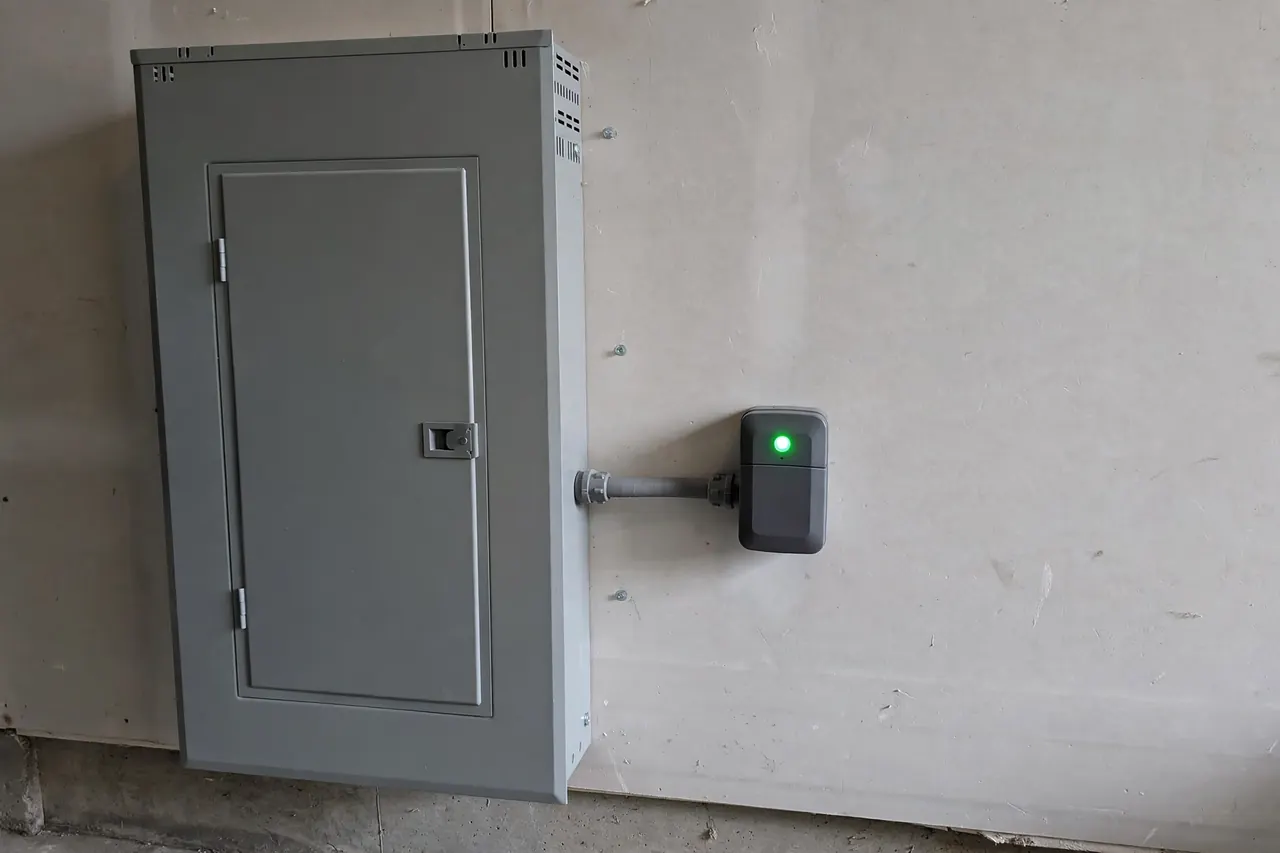
A panel-mounted whole-home device is installed by an electrician at your electrical panel, where it monitors the incoming supply and responds to voltage spikes by diverting excess energy safely away from your home's circuits, most importantly into the grounding system. In doing so, it reduces the size of surges that reach your wiring and appliances, which lowers the risk of damage from events such as nearby lightning activity, utility switching, and restoration after an outage. It works for the whole home at once, including hardwired equipment that plug-in strips can never reach. Its limits are equally important. It reduces risk; it does not remove it. No device can make a home proof against a direct lightning strike, which carries energy far beyond what protective equipment is designed to handle, and no responsible professional should claim complete protection against every possible event. A panel device also has a finite capacity and can be worn out by a major event or by accumulated smaller ones, so its status indicator should be checked periodically, and it may need replacement after significant events. Set expectations accordingly: this is risk reduction for your home's electronics and appliances, not a certainty that nothing can ever be damaged.
Which homes and equipment benefit most
Any home can experience surges, but some homes have more at stake than others. Homes in areas that see frequent thunderstorms or an unreliable supply with regular outages and restorations face more external events. Homes of any location now contain far more electronics than they once did, and much of it is both sensitive and expensive to repair: heating and cooling systems with electronic control boards, modern kitchen and laundry appliances, home office equipment, entertainment systems, security and networking gear, and vehicle charging equipment. When a control board fails, the appliance itself may be perfectly sound, yet the repair still takes time and disrupts daily life, and repeated small surges quietly shortening equipment life is a pattern many households never connect to its cause. Homes with a home business, medical or accessibility equipment, or anyone working from home with little tolerance for downtime also have practical reasons to think about protection. The decision is ultimately about the value of what is plugged in and hardwired in your home, how exposed your area is, and how much disruption a damaged system would cause you — questions an electrician can help you weigh without exaggerating either the risk or the protection.
Getting protection installed and looking after it
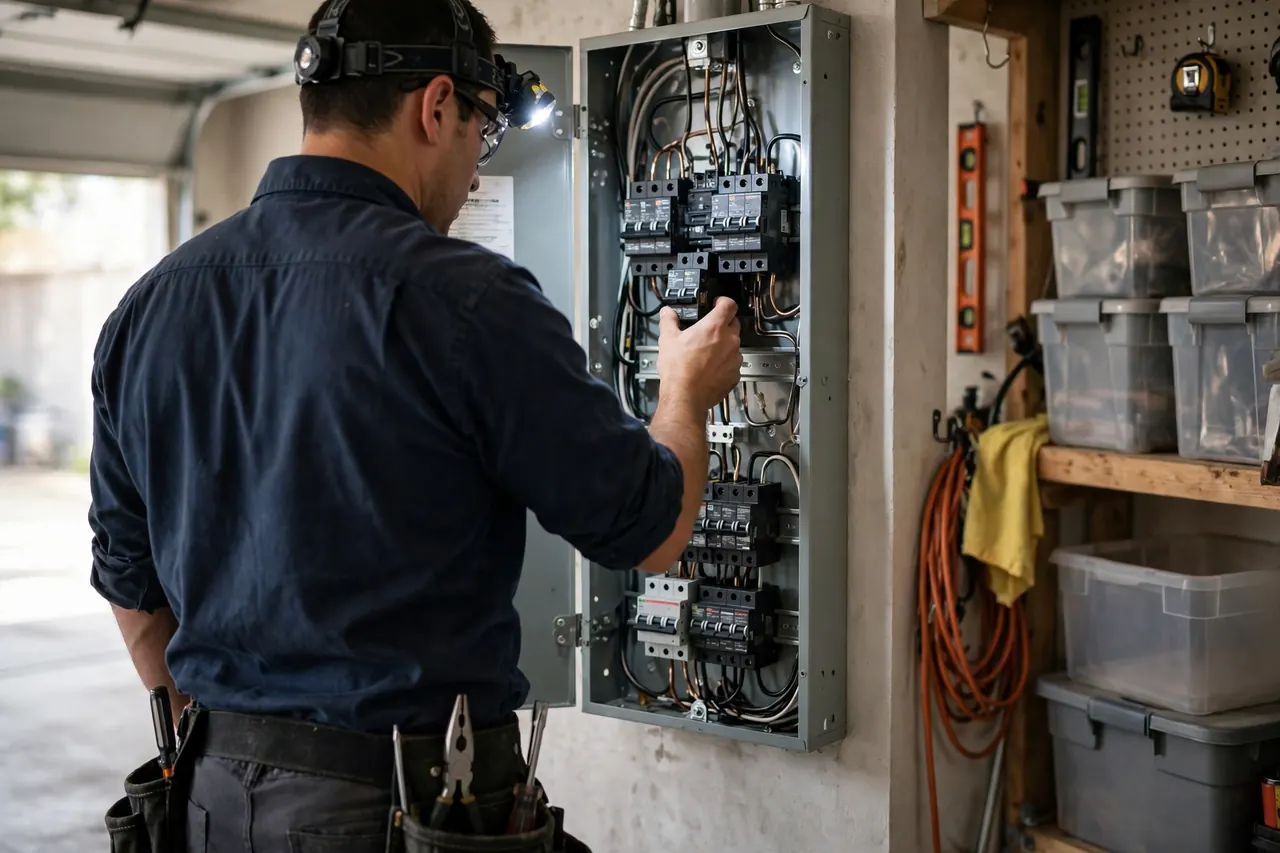
Because a panel-mounted device connects at your electrical panel, installation is a job for an electrician, not a do-it-yourself task. The work involves selecting a device appropriate for your panel and service, connecting it correctly, and confirming that the home's grounding system — which the device relies on to divert energy — is in suitable condition. Ask the electrician to explain what device they propose and why it suits your panel, how you will know it is working, and how you will know if it has been exhausted by an event and needs replacement. After installation, build the device into your normal home habits: glance at its status indicator from time to time, just as you might check a smoke alarm, keep its documentation with your other home paperwork, and mention it to any electrician doing later work on the panel. Keep point-of-use protectors for your sensitive electronics as the second layer, and replace ageing strips rather than assuming they still protect. After any major storm or a known significant surge event affecting your street, having the device's status checked is a sensible step, so that your home is not left unknowingly without its first layer of protection.
After a surge event: what to check
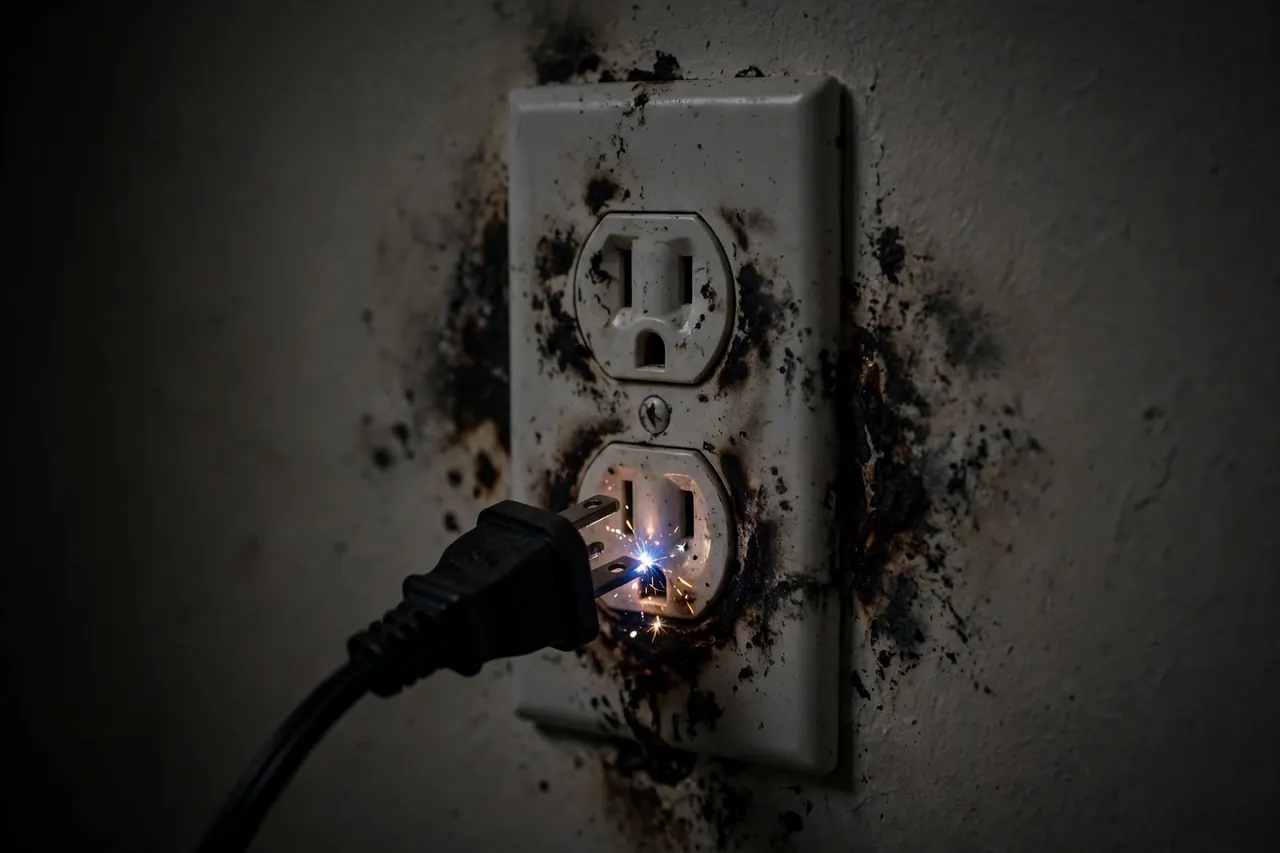
When a storm has passed or power has come back after an outage, a short routine tells you whether a surge reached inside. Start with the panel device, if you have one: its indicator shows whether it is still protecting or has given itself up absorbing an event, and a device showing the end of its life needs replacing rather than resetting. Walk the house with the obvious checks - clocks and electronics that will not power on, a GFCI outlet that will not reset, breakers that tripped during the event and what they feed. Test the sensitive equipment you care about most, and note anything behaving oddly, because surge damage sometimes shows up as shortened life rather than immediate failure. If breakers trip again after the event, or you find scorch marks or a burning smell at an outlet, that stops being a surge question and becomes an electrical fault - leave the circuit off and have it assessed. Keeping a simple note of the event and what you found is worthwhile: it helps an electrician judge whether the protection did its job, and it is the record you want if several devices fail in the weeks that follow.
 PROBLEM
 SOLUTION
Related service: Whole-Home Surge Protection
Will whole-home surge protection stop lightning damage completely?
If I have a panel device, do I still need plug-in protectors?
How do I know if my surge protection is still working?
Can I install a whole-home surge protector myself?
Need an electrician now?
One call connects you with an independent local electrical professional in your metro.