What to Do When the Power Goes Out
A sudden loss of power can be unsettling, especially at night or in bad weather, but the first few minutes are better spent calmly working out how wide the problem is. Is it just your home, one room, or the whole street? That simple question changes who you should contact and what you should do next. This guide walks through safe first checks, what to switch off, how to look after food in the fridge, how to stay safe around generators, and the warning signs that point to a problem inside your home rather than an outage outside it.
Start by working out the scope of the problem
Before you touch anything electrical, look for clues about how far the problem reaches. If lights are out in every room and the whole house is silent, the loss may be coming from outside the home. If only one room, one floor, or a group of outlets has stopped working, the cause is more likely to be inside your own electrical system. Look through a window, if it is safe to do so, to see whether street lights are on and whether neighbouring homes appear lit or dark. That observation, made from inside your home, is one of the most useful pieces of information you can gather. Do not go outside in a storm, in the dark, or near any fallen cables to investigate. If you see a downed line, damaged pole, sparking equipment, or smell burning near outdoor equipment, stay well away, keep other people and pets away, and contact your utility or emergency services. From a safe distance, note what you can see — for example, whether a single street or several streets look affected — because the utility will find that description helpful when you report what has happened.
Check your breaker panel — from the outside only
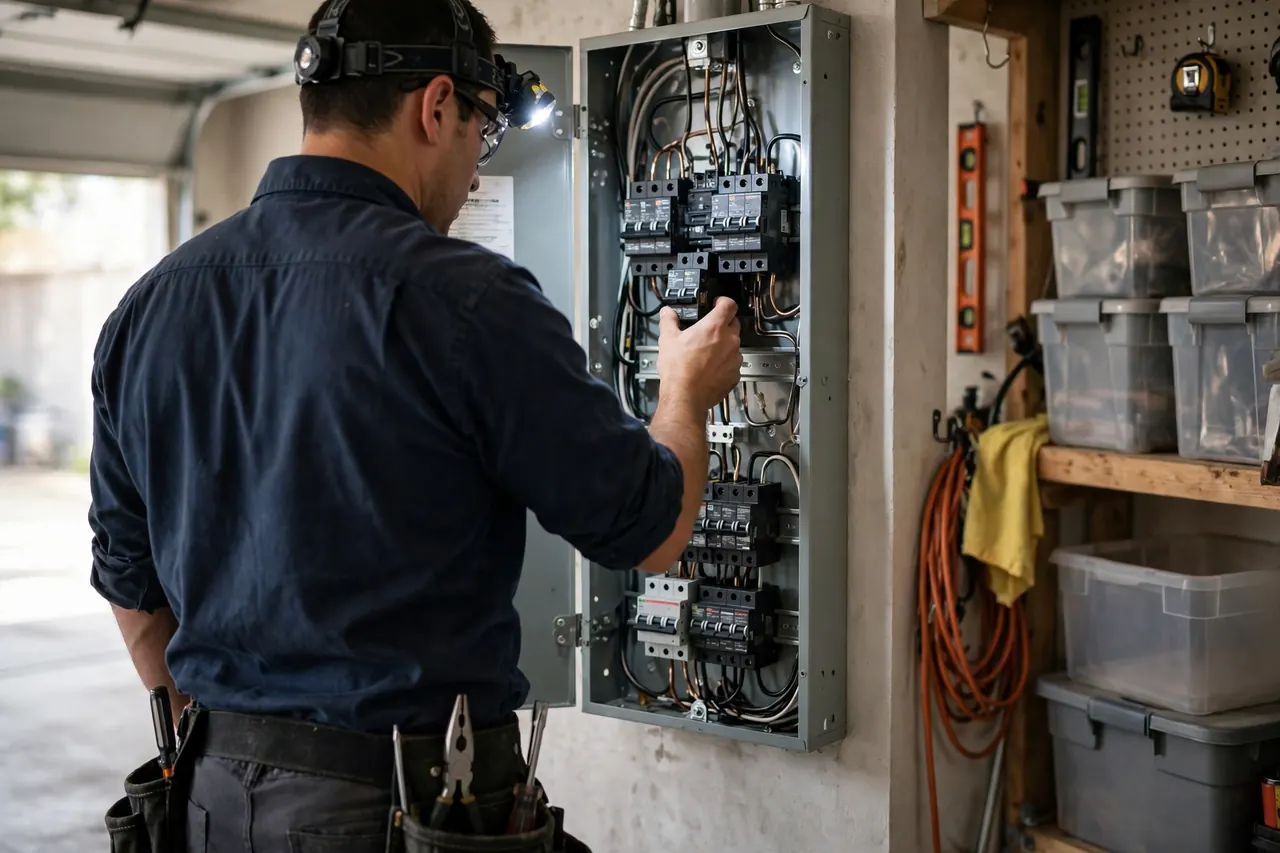
If it looks as though only your home is affected, a tripped breaker is a common and often simple explanation. You can look at your breaker panel without opening any wiring or removing any covers. In many homes, a tripped breaker sits in a different position from the others, sometimes halfway between on and off. If you are comfortable doing so, and your hands and the floor around you are completely dry, you can try switching that one breaker fully off and then back on once. If power returns and stays on, note what was running at the time, because an overloaded circuit or a faulty appliance may have caused the trip. If the same breaker trips again straight away, or trips repeatedly, stop resetting it. Repeated tripping is the system telling you something needs attention, and resetting it over and over does not fix the underlying cause. Do not remove the panel cover, do not touch any wiring inside, and do not replace breakers yourself. Those are jobs for a qualified electrical professional who can test the circuit safely and find out why it is tripping.
Check with neighbours and your utility
If your whole home is without power and your breakers look normal, the next step is to find out whether the problem is wider than your property. If you can do so safely, ask a neighbour whether they have power, or check your utility provider's outage information by phone or on its website if you have a charged mobile device. Many utilities publish outage maps and estimated restoration updates, and they also provide a way to report an outage that they may not yet know about. Reporting matters, because utilities often learn about smaller local faults from the households affected. When you report, describe what you know in plain terms: when the power went, whether neighbouring homes are affected, and anything you noticed at the time, such as a loud bang, a flash, or severe weather. Avoid speculating about the cause. While you wait for updates, keep calls brief to preserve your phone battery, and use a battery-powered radio if you have one for local information. If anyone in the home relies on powered medical equipment, treat the situation as urgent and follow the plan you have for that equipment, contacting emergency services if there is any risk to health.
What to switch off while the power is out
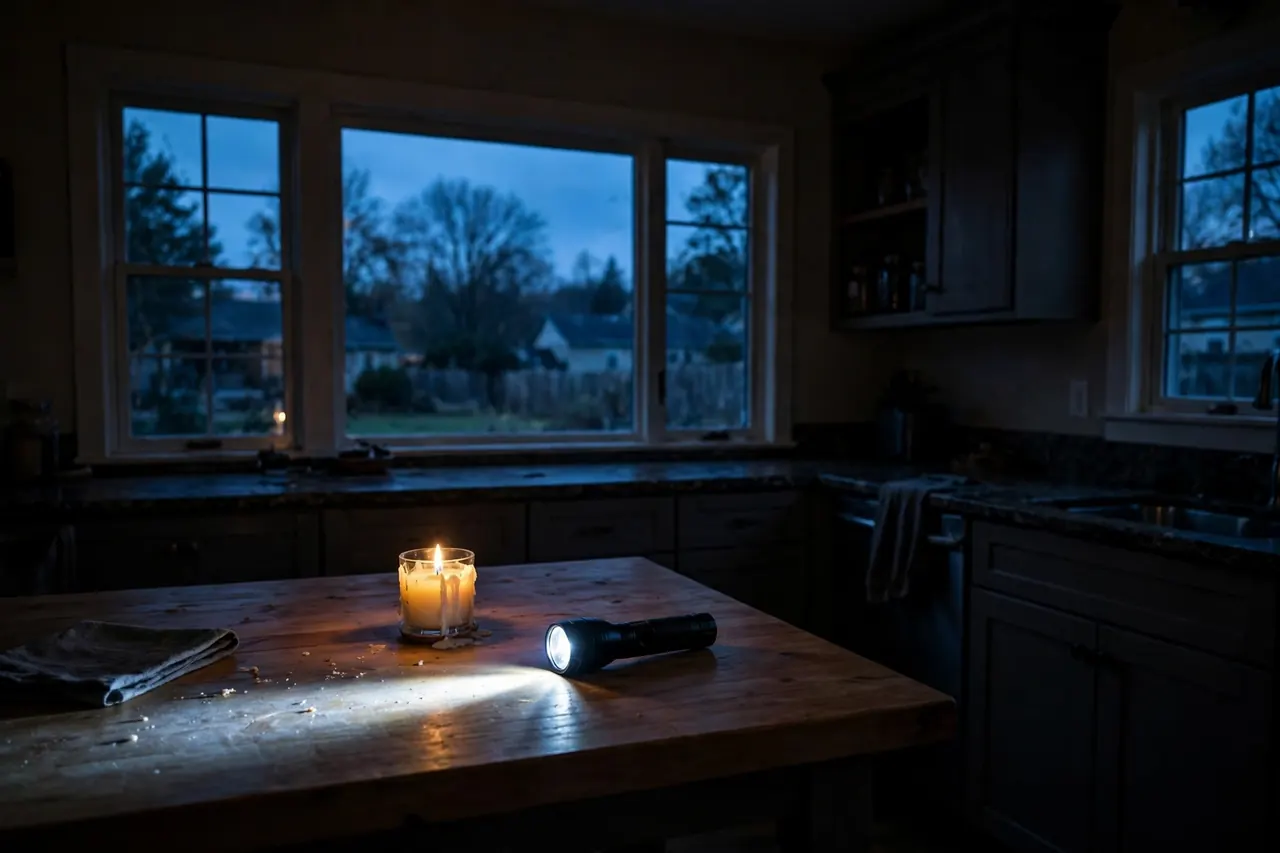
Once you know an outage is likely to last more than a few minutes, switching certain things off can help protect them and can make restoration smoother. Appliances with motors, heating elements, and electronics can be sensitive to the moment power returns, and having many large appliances try to restart at once puts a sudden demand on your system. As a general approach, turn off or unplug non-essential electronics, entertainment equipment, and larger appliances, and leave one light switched on so you will know when power comes back. Keep the fridge and freezer doors closed as much as possible, which is covered in more detail in the next section. Turn off cooking appliances, portable heaters, and anything that was in use and could become a hazard if it restarts unattended. If you need light, battery torches are safer than candles, which should never be left unattended and should be kept away from curtains and paper. Avoid using the lift in a building, if there is one, until power is stable. When power returns, wait a few minutes, then switch things back on gradually rather than all at once, watching for any flickering, buzzing, or repeated trips that would suggest a problem remains.
Looking after food, fridges, and freezers
During an outage, the most helpful thing you can do for chilled and frozen food is also the simplest: keep the doors closed. Every time a fridge or freezer is opened, cold air escapes and warmer air enters, and the temperature inside rises faster. A closed appliance holds its temperature for a noticeably longer period than one that is opened repeatedly to check on it. Resist the urge to keep inspecting food, and if you do need something, decide what you need before you open the door and close it promptly. Grouping items together in a freezer, where that can be done quickly and safely, can also help it stay colder for longer. When power returns, use your judgement and your senses carefully. Food safety guidance is general rather than specific to your home, so if food has become warm, has an unusual smell or texture, or you are in any doubt about it, the safer choice is not to eat it, particularly for young children, older people, and anyone with a weakened immune system. If an outage is prolonged, follow the current advice published by your local health or food safety authority for detailed guidance.
Generator safety and the signs of a home electrical problem
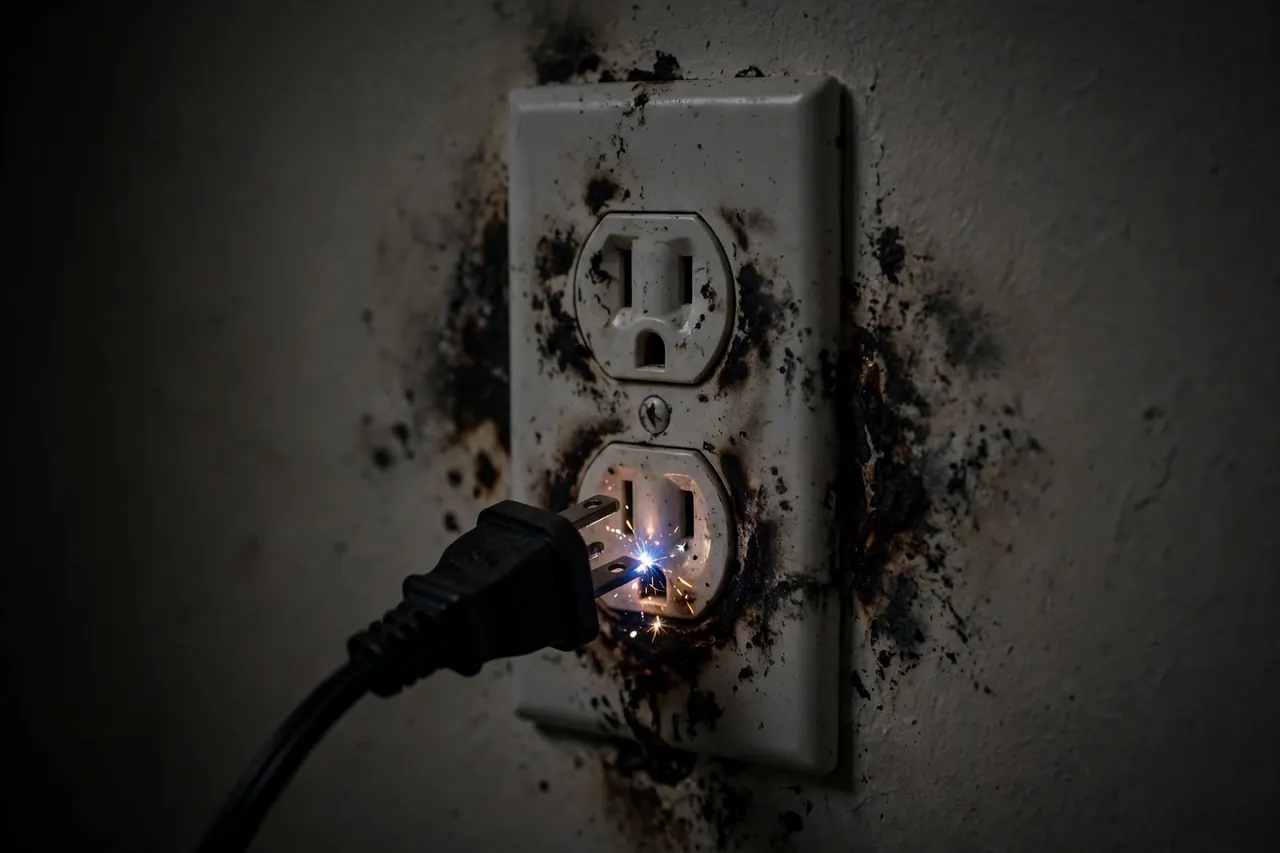
Portable generators carry serious risks and must be treated with great respect. Never run a generator indoors, in a garage, in a porch, or close to windows and doors where exhaust can drift inside, even if doors or windows are open. Generator exhaust contains carbon monoxide, an odourless gas that can build up quickly and can be fatal. Generators belong outside, well away from the home, in a dry place where exhaust blows away from people, and they should be allowed to cool before refuelling. Never connect a generator directly into your home wiring unless a professional has installed proper equipment for that purpose, because doing so can send power back into utility lines and endanger repair crews. Separately, remember that not every loss of power is a street outage. Partial power, one room out while others work, lights that dim sharply, a burnt smell, scorch marks, buzzing from outlets or the panel, or breakers that will not stay on all point to a problem inside the home. In those cases, switch off the affected circuit if you can do so safely, keep away from anything hot or damaged, and contact an electrician — or emergency services first if there is fire, smoke, or immediate danger.
Partial power is a different problem
Sometimes the power does not go out completely: half the house is dark, some outlets work and others do not, or lights brighten and dim as appliances start. That pattern is not a routine outage, and it should not be waited out like one. Partial power can mean one side of your electrical service has failed, and the appliances still running may be receiving too much or too little voltage, which can damage motors, compressors and electronics quietly while you wait. The safe response is different from a full outage: switch off and unplug sensitive equipment, treat the situation as a fault rather than an inconvenience, and do not reset breakers repeatedly to see if it clears. Report the partial outage to your utility, because the fault can sit on their side of the meter as well as yours, and if the utility finds no problem on their side, the next step is an electrician checking your service equipment. Brownouts - the lights dipping for hours rather than minutes - belong in the same category: motors strain and overheat on low voltage, so unplugging the fridge and other motor-driven appliances until power is stable protects the most expensive equipment in the house.
 PROBLEM
 SOLUTION
Related service: Emergency Electrician
How can I tell if it is a street outage or a problem in my home?
Is it safe to reset a tripped breaker myself?
What should I do if I see a downed power line?
When should I call an electrician instead of the utility?
Need an electrician now?
One call connects you with an independent local electrical professional in your metro.